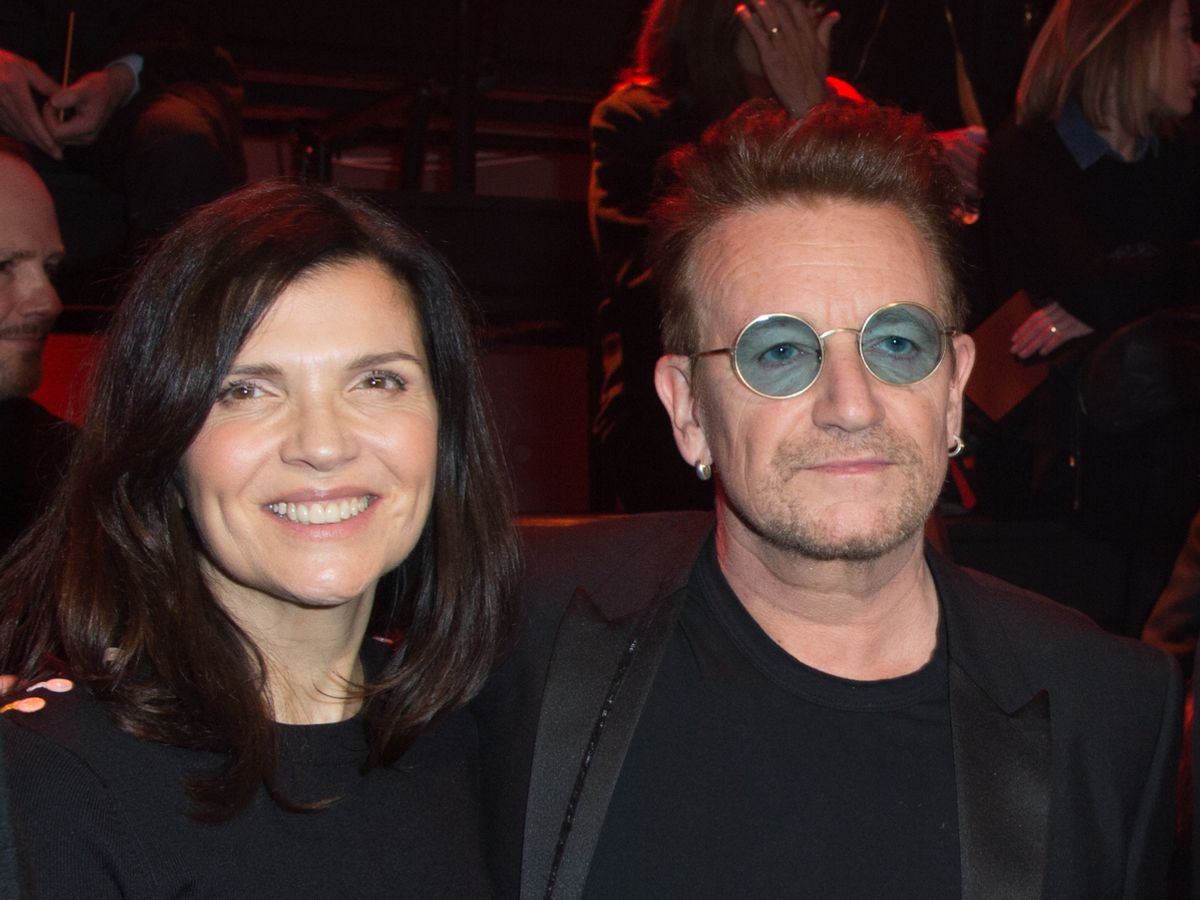
By the end of the 1990s, Paul Hewson, otherwise known to the world as Bono had found himself approaching a precipice.
As he neared forty, he was no longer the firebrand teenager writing psalms in punk clubs, or the global celebrity making calls from the stage to world leaders. The name “Bono” had become iconic, but in private, it must’ve begun to feel like an overgrown garment, something once protective that now restricted his movement. What was once persona had hardened into identity. And what had once been fuel for transformation had become a cage.
Clinically speaking, this was more than simple burnout. From a Jungian perspective, it resembled a crisis of individuation , the moment in a life cycle when the constructed self, or persona, is no longer able to contain the totality of the person’s psyche. For Jung, the persona is a social mask worn to function within the collective; it serves its purpose but risks becoming mistaken for the entire self. By the close of the century, Bono had become that mask in the eyes of the world, and increasingly, in the eyes of the man who created him.
At the center of this article is a psychological and historical proposition: that Pop (1997) was not a failure, but a funeral. Not just of a creative concept, but of a self-image. Hewson’s voice on Pop is not that of a preacher, but of a man reaching for transcendence through chaos who was using satire, sensuality, and spiritual allusion to try to locate something honest inside a performance that had become too convincing. In that sense, the album’s commercial confusion was entirely appropriate. It wasn’t meant to sell clarity. It was meant to dissolve the illusion.
Leave a Reply