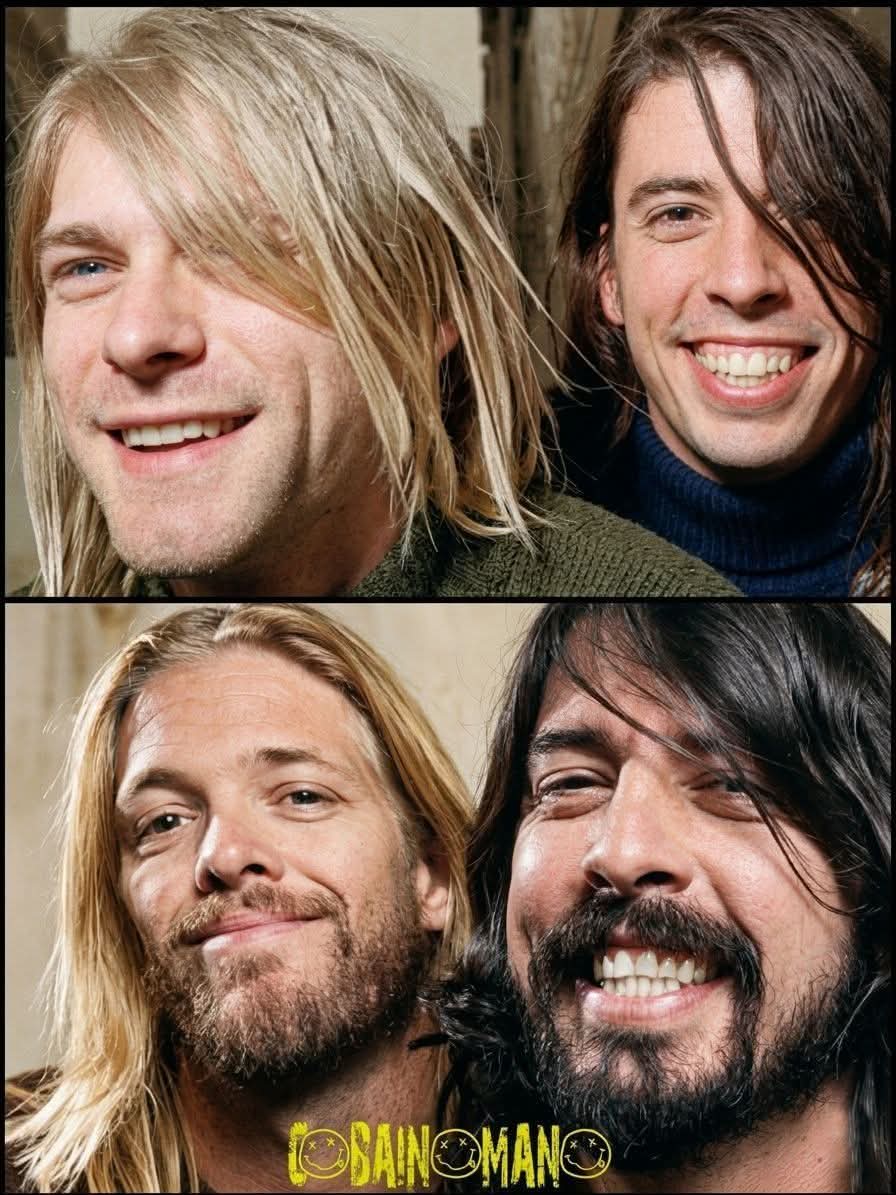
Dave sat motionless, the glow of the television flickering against his face, his thoughts louder than anything the broadcast could offer. The image of the ambulance refused to leave his mind—the urgency, the chaos, the unbearable uncertainty. He had seen moments like that before in life, but this one cut deeper. This one involved people he loved, people he could not imagine losing. His friends were no longer laughing beside him or arguing over nothing; they were silent, suspended somewhere unreachable, trapped in a coma that felt more like a cruel pause than a medical condition.
He remembered the phone call vividly. The desperation in his own voice had surprised him. “I don’t want you to die,” he had said, the words spilling out before he could soften them. There was no pride left, no hesitation—only fear. Fear of losing someone who had become a part of his identity, fear of a world that suddenly felt emptier. The apology he received in return lingered just as strongly. It was quiet, almost fragile, as if it carried the weight of regret and the faint hope of redemption. “I was wrong,” his friend had admitted. But now, those words echoed into silence, unanswered, unresolved.
What haunted Dave most was the in-between—the uncertainty of it all. Death, as final as it was, offered closure. But this? This was a limbo that stretched endlessly. His friends were still alive, technically, but unreachable. He couldn’t share a joke with them, couldn’t argue, couldn’t hear their voices. He found himself replaying old memories just to feel close again—the late-night conversations, the music, the reckless laughter that once felt infinite. Those moments had seemed ordinary at the time, but now they felt sacred.
Every visit to the hospital became a ritual of hope and quiet despair. Machines hummed steadily, doing the work their bodies could not. Dave would sit beside them, talking as if they could hear him, because part of him believed they could. He told stories, reminded them of who they were, of what they meant. He refused to let silence define them. If they were trapped, then his voice would be a thread guiding them back.
Yet doubt crept in during the quietest hours. What if they never woke up? What if the apology was the last real conversation they would ever share? Dave wrestled with guilt, too—wondering if he could have done more, said more, been more. The mind is merciless in moments like these, replaying every missed opportunity as if rewriting the past could somehow change the present.
Still, he held on. Not because it was easy, but because letting go felt impossible. His friends were still there, somewhere beneath the stillness, beneath the machines and the uncertainty. And as long as they were breathing, Dave refused to believe their story was over. He carried that belief like a quiet promise: that one day, somehow, they would wake up—and when they did, they would not wake up alone.
Leave a Reply