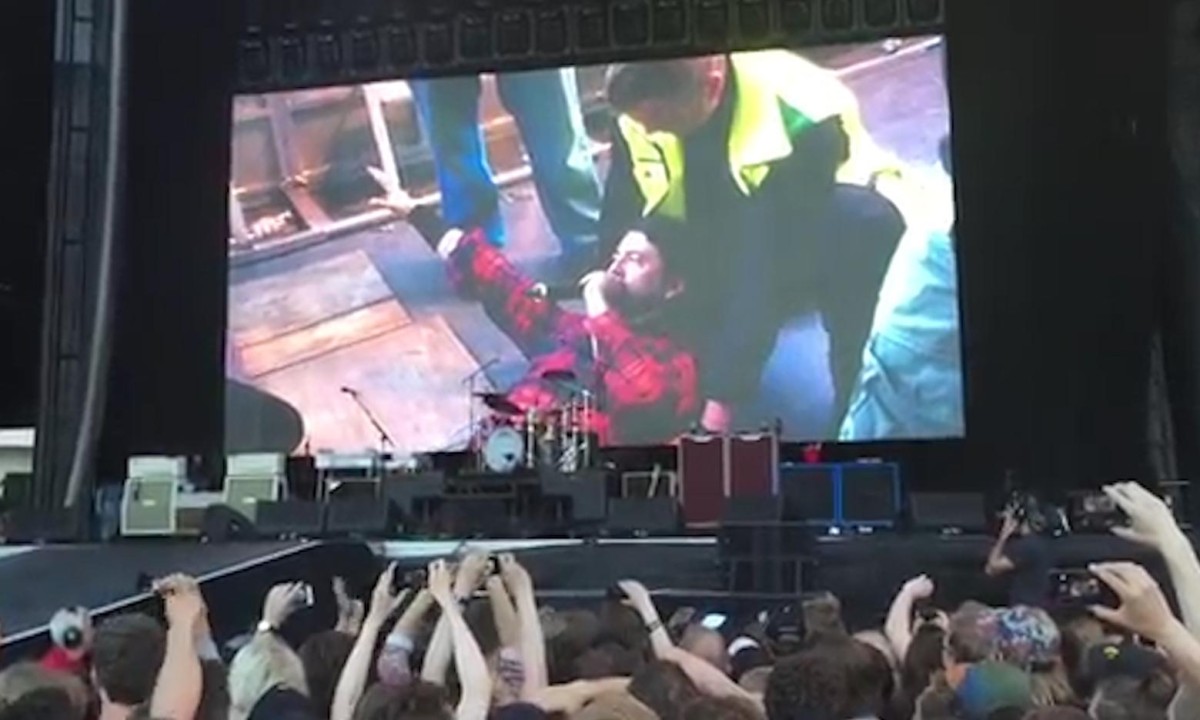
The recent rash of concert catastrophes is prompting lawsuits and calls for increased regulation, but will it impact next year’s festivals and fairs? The industry weighs in.
Coutless music enthusiasts have heard the tale of Van Halen and the brown M&Ms — how the ’80s mega-band insisted every one of the chocolate-colored confections be removed from its dressing room. What most might not know, however, is the reason, which had nothing to do with ego and everything to do with concert safety.
The way singer David Lee Roth explained it, the arena rockers’ technical rider was so detailed — like a “Chinese Yellow Pages” — that they purposely buried the candy request just before Article 148 specifying the weight (5,600 pounds) each of 15 sockets was expected to carry while hanging 30 feet above the stage. “If I saw a brown M&M in that bowl … well, line-check the entire production. Guaranteed you’re going to arrive at a technical error,” Roth said in his 1998 autobiography Crazy From the Heat. “They didn’t read the contract. It could destroy the whole show or literally be life-threatening.”
With the four weather-related stage collapses during a relatively robust summer concert season — on July 17 at Ottawa Bluesfest during Cheap Trick’s set; on Aug. 6 at the Brady District Block Party in Tulsa, Okla., just before the Flaming Lips were due to play; on Aug. 13 at the Indiana State Fair in Indianapolis, where a headlining gig by Sugarland was superseded by a windstorm that toppled a 50-foot-tall structure, killing seven and injuring 40; and on Aug. 18 at Belgium’s Pukkelpop festival, which featured more than 200 acts headlined by Foo Fighters and Eminem and resulted in five deaths — it’s a lesson event organizers, promoters, artists and crew might want to heed
Leave a Reply